

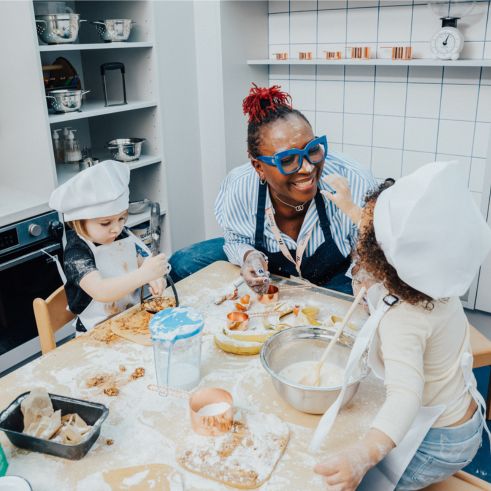
The role and importance of a key person in nursery
A key person in a nursery plays a central role in supporting child development by providing consistent care, strong relationships, and an individual point of connection within early years settings. For many families, the nursery day is the first time a young child spends extended time away from home, which can bring big feelings and, in some cases, separation anxiety. A key person helps make that experience feel safe, predictable, and reassuring.
In practice, the key person approach strengthens the link between children, families, parents, and carers, ensuring that each child is known as an individual rather than one of many. It also helps children settle, build confidence, and make progress through everyday routines. For early years professionals, becoming a key person is a meaningful responsibility that combines emotional support, observation, communication, and guidance.
If this sounds like the kind of relationship-led work that matters most, explore Nursery Educators Jobs and learn more about what the role can look like in a supportive environment.
What is a key person in a nursery setting?
A key person in a nursery setting is the practitioner who takes primary responsibility for a small group of children. This role supports emotional wellbeing, learning, and communication with families, helping each child feel recognised and understood.
Understanding the key person approach
The key person approach is built on the idea that close, consistent relationships support children to thrive. A key person in a nursery gets to know a child’s interests, routines, and emotional cues, then uses that understanding to support secure attachments and day-to-day confidence. This relationship is not about favouring one child, but about ensuring someone holds a clear picture of that child’s needs and progress.
How the role fits within early years settings
Although a key person works closely with a particular group, they are also part of the wider nursery team. Early years settings rely on shared responsibility, but the key person in a nursery offers continuity of care so that children experience stability even in busy rooms. This approach supports consistent communication and helps ensure learning experiences reflect children’s interests, development, and individual pace.
Why continuity of care matters
Continuity matters because it supports trust. When children know who will greet them, comfort them, and help them through transitions, they are more likely to feel secure. The key person in a nursery becomes a familiar presence, especially during changes such as starting nursery, moving rooms, or adjusting to new routines.
Why the key person role is so important for children
The key person role matters because early childhood is shaped by relationships. Children learn through connection, reassurance, and predictable responses from trusted adults.
Supporting emotional security and wellbeing
A consistent relationship supports emotional security. The key person in the nursery recognises patterns in a child’s emotions, helps them name feelings over time, and responds in ways that build calm. This emotional foundation supports learning and positive behaviour, because children are better able to explore when they feel safe.
Helping children feel safe and understood
Feeling understood is about more than comfort. It is also about noticing what helps a child engage, what triggers anxiety, and what routines support regulation. When a trusted person understands a child deeply, they can adapt to the environment and interactions in small but powerful ways, helping children feel safe, seen, and supported.
Building confidence during everyday routines
Routines such as meals, rest, outdoor play, and tidy-up times can either feel stressful or empowering. A key person in a nursery supports children through these moments, encouraging independence and reinforcing success. Over time, children develop confidence because they know what to expect and feel able to participate.
How key persons support children’s emotional development
Children’s emotional development is shaped by everyday interactions. The key person approach helps ensure those interactions are consistent, responsive, and relationship-led.
Forming secure attachments in nursery
Secure attachments develop when an adult is reliably available, warm, and responsive. A key person in a nursery supports secure attachments by offering reassurance, recognising distress early, and building trust over time. This is especially important for babies and younger children, who may need more frequent emotional co-regulation during the day.
Supporting children through separation and transitions
Separation anxiety is common when children begin a childcare setting. A key person in a nursery supports children through this transition by using predictable routines, comfort objects, and calm communication with parents and carers. When children move rooms or adjust to new team members, the key person helps maintain continuity, making the change feel manageable rather than abrupt.
Responding to individual emotional needs
Not every child expresses emotions in the same way. Some become quiet and withdrawn, while others may cry, cling, or act out. The key person in the nursery responds to individual emotional needs by adapting strategies, offering choices, and providing calm support without pressure, helping children build resilience and emotional literacy.
The relationship between the key person and families
A key person approach works best when families feel included, informed, and respected. This relationship supports consistency between home and nursery, which benefits the child.
Building trust with parents and carers
Trust develops through small, regular interactions. The key person in a nursery becomes a reliable point of contact for families, answering questions, acknowledging concerns, and sharing meaningful updates. This relationship also helps families feel reassured during difficult periods, such as settling-in or developmental changes.
Sharing information about progress and development
Families value clear insight into how their child is getting on. A key person in the nursery shares information about progress and development, including social skills, learning interests, and emotional wellbeing. This communication helps families support learning at home and strengthens the partnership.
Supporting families during settling-in periods
Settling in can be emotional for both children and adults. A key person in the nursery helps families understand the process, offers guidance on routines, and supports a gradual build of confidence. For babies and younger children, this support can be especially important, as settling-in often relies on close communication and consistency.
To explore early years roles and how different practitioners support children’s wellbeing behind the scenes, read this nursery workers article.
What a key person does day to day
The role involves emotional support, observation, planning, and collaboration, all rooted in relationship-led practice.
Observing children and supporting individual progress
Observation helps identify what a child enjoys, where they may need help, and how they are developing over time. A key person in a nursery uses observation to support individual progress, recognising strengths while planning next steps that feel achievable and engaging.
Planning experiences based on children’s interests
Children learn best when learning feels relevant. A key person in a nursery plans experiences based on children’s interests, supporting engagement and sustained attention. This might include adapting activities to encourage communication, problem-solving, or social interaction, depending on the child’s needs and stage.
Being a consistent and reassuring presence
Consistency is not only about staffing patterns. It is also about emotional availability, tone, and predictable responses. A key person in a nursery provides a consistent presence, helping children feel secure throughout the day, especially during challenging moments.
The key person’s role in child development
The early years child development role of a key person is wide-ranging. It includes social development, emotional wellbeing, communication, and learning through play.
Supporting learning across the early years
The key person in a nursery supports learning across the early years through daily interactions, responsive play, and meaningful routines. This supports language development, early thinking skills, and confidence, which all contribute to a strong foundation for future learning.
Understanding each child as an individual
Child development is not linear, and children develop at different paces. A key person in a nursery understands each child as an individual, recognising how personality, family context, and experiences shape behaviour and learning. This understanding supports inclusive practice and sensitive responses.
Helping children develop social skills and independence
Social skills develop through guided interaction and modelling. A key person in nursery supports turn-taking, empathy, and communication, while also encouraging independence through manageable choices and routines. Over time, children gain confidence in friendships, group play, and self-help tasks.
If you are exploring pathways into early years education, this guide on a career in Early Years teaching is a useful place to start.
Best practices for being an effective key person
Effective key persons combine relationship skills with reflective practice, communication, and teamwork.
Creating strong, respectful relationships
Strong relationships are built through warmth, consistency, and respect. Best practice includes active listening, calm responses, and using guidance rather than punishment. A key person in a nursery creates a relationship where children feel safe to explore, make mistakes, and try again.
Communicating openly with families
Open communication supports trust and partnership. A key person in a nursery communicates with families in a clear, respectful way, sharing progress, discussing concerns sensitively, and inviting families to contribute insight about routines or preferences.
Working collaboratively with the wider nursery team
A key person role does not exist in isolation. Best practice includes working collaboratively with the wider nursery team so that children experience a consistent approach. Shared planning, handovers, and supportive teamwork help maintain availability, consistency, and high-quality care.
How nurseries implement the key person approach
Implementation relies on thoughtful planning and team support.
Assigning key persons in early years settings
Early years settings assign key persons so each child has a clear, consistent adult. Group size, room structure, and staffing patterns are considered to support strong relationships and effective communication with families.
Ensuring availability and consistency
Availability and consistency are essential for secure attachments and emotional wellbeing. Nurseries aim to plan team rotas so that children see familiar adults, particularly at key moments such as drop-off, transitions, and settling-in.
Supporting team members through training and guidance
Training and guidance help team members understand the purpose of the role and develop practical skills, including observation, communication, and emotional support strategies. When nurseries invest in guidance, the key person approach becomes embedded in daily practice rather than treated as a label.
Frequently asked questions about the key person role
What is the role of a key person in a childcare setting?
The role of a key person in a nursery is to provide consistent emotional support, observe development, support progress, and build relationships with families, parents, and carers.
How do key persons support children’s emotional development?
They form secure attachments, help children through separation anxiety and transitions, and respond to individual emotional needs in a consistent, reassuring way.
What are the best practices for key persons working with families?
Best practices include respectful communication, sharing progress and development clearly, offering guidance during settling-in, and working collaboratively with the wider nursery team.